
Tongue tie surgery, also known as frenectomy or frenuloplasty, is a procedure that addresses tethered oral tissues (TOTs) in adults. If you’re researching tongue-tie surgery costs for adults, you likely have questions about the procedure, its benefits, and associated expenses.
This comprehensive guide explores the key aspects of tongue ties, related oral tissues, surgical providers, adjunct therapies, and insurance considerations, helping you make informed treatment decisions.
What Is a Tongue Tie?
A tongue tie, or ankyloglossia, occurs when the lingual frenulum—the thin band of tissue connecting the tongue to the floor of the mouth—is unusually short, tight, or thick. This restriction can limit tongue movement, causing difficulties with speech, eating, swallowing, and even oral hygiene.
In adults, untreated tongue ties may contribute to issues such as chronic jaw pain, speech impediments, snoring, sleep apnea, dental issues, chewing and swallowing difficulties, digestive disruptions, and pelvic floor discomfort.
Beyond the tongue, tethered oral tissues can also involve:
Lip Ties
The labial frenulum connects the lips to the gums. A restrictive lip tie may interfere with lip mobility, contributing to difficulties in creating proper oral seals. They may also impact tooth alignment in the maxillary arch and cause space between the two front teeth.
Cheek Ties
Buccal ties occur when fibrous bands restrict cheek movement, potentially impacting facial development and oral function.
The presence of multiple oral ties may influence the complexity and cost of treatment, as additional surgical interventions might be required. It is important to have a full oral motor assessment by a trained myofunctional therapist as well as the consult with the surgical provider.
Surgical Providers and Tongue Tie Surgery Costs
The cost of tongue tie surgery for adults can vary significantly based on factors such as provider expertise, geographic location, and the complexity of the case.
First, let’s explore typical providers who perform the surgery and potential costs:
1. Otolaryngologists (ENT Specialists):
ENT specialists perform tongue tie surgeries, especially when combined with sleep apnea evaluations. They would first conduct an assessment or evaluation on visit one. Then a plan would be set for surgery day. Depending on the doctor they may request a follow-up visit following surgery.
Average Costs: $1,500–$3,000.
2. Oral Maxillary Surgeons:
Skilled in addressing tethered oral tissues and associated dental structures, oral maxillary surgeons are the typical providers conducting Surgical releases of tethered oral tissues. This consultation would consist of a first visit to the office to be assessed and have the plan developed. You will return for the surgery day, hence paying for two appointments and possibly a third if they request a follow-up post-surgery.
Costs: $800–$2,500.
3. Dentists with Special Training:
Some dentists specialize in laser frenectomies, which are minimally invasive and typically involve reduced healing times. Most will conduct an assessment on one appointment and schedule the surgical release for a second appointment. Normally, they would require a follow-up appointment following the procedure.
Costs: $900–$3,000.
Additional costs may arise if multiple areas (e.g., lip, cheek, and tongue) require treatment during the same surgical session. Always consult with providers who are experienced in tethered oral tissues for the best outcomes.
You may also want to request a “Good Faith Estimate” when contacting providers to give yourself a fair idea of their costs.
Find a preferred list HERE by state.
Myofunctional Therapy: Tongue Tie Surgery Costs for Adults
Myofunctional therapy is a critical component of tongue tie treatment. It focuses on retraining the muscles of the tongue, lips, and jaw to achieve proper oral function before and after surgery.
You might locate a Speech, OT, or PT therapist to perform this therapy, and their costs would be closely related.
A typical therapy plan includes:
Duration
8–24 sessions, depending on individual needs. The duration or length of treatment time is dependent on the amount of tension and co-occurring difficulties. Every case is different, and every mouth has different needs.
For example, someone who has TMJ pain and suffers from both talking and eating tasks will likely have a lengthier treatment plan.
While someone who notices tension when speaking but has not yet progressed to pain may have a shorter treatment path.
Costs
$90–$300 per session. This is dependent upon the region and expertise of the therapist and whether it is a private practice or facility center.
Therapists often recommend starting therapy 4–8 weeks before surgery and continuing for several weeks afterward. This holistic approach improves surgical outcomes and minimizes the risk of reattachment.
Orthodontic Costs: Palate Wideners and Braces
In some cases, tongue ties can lead to dental misalignments, narrow palates, or crowded teeth. Orthodontic treatment may be required to address these issues even in adulthood.
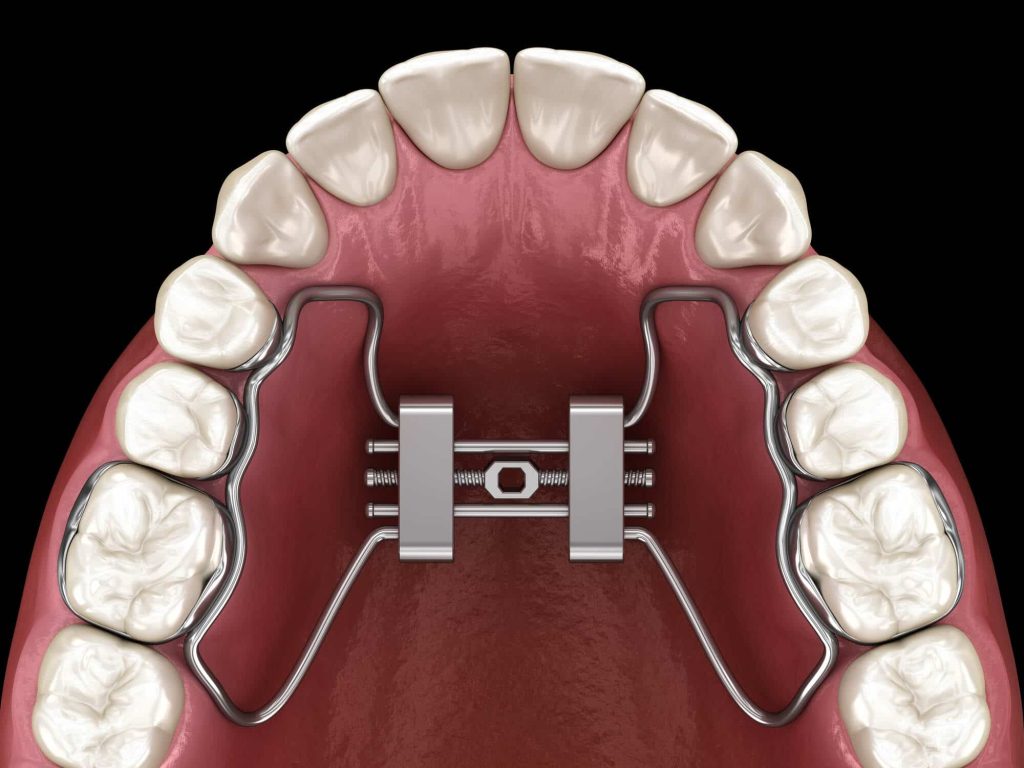
Palate Wideners/Expanders
Used to expand the upper jaw and provide space in the maxillary arch to improve oral function. More space in the palate and arch provides room for the tongue to rest easily in the palate. This has fast become the first step in orthodontic work.
Costs: $1,500–$3,000.
Braces or Aligners
To correct misaligned teeth and improve jaw alignment by placing braces, either fixed or removable such as Invisalign.
Costs: $3,000–$7,000.
Orthodontic treatment often spans 12–24 months and may involve collaboration with other professionals, such as myofunctional therapists, to achieve optimal results.
Snoring and Sleep Apnea Evaluations Tongue Tie Surgery Costs for Adults
Tongue ties in adults are sometimes linked to snoring or obstructive sleep apnea (OSA). Proper diagnosis and treatment are essential for addressing these conditions:
Sleep Study
Performed in-home or in-lab studies to evaluate sleep patterns and detect apnea.
Costs: $500–$2,000.
CPAP Machines
Continuous positive airway pressure devices to treat OSA. Initial costs are estimated here but there is upkeep for this equipment requiring the replacing of hoses and masks.
Costs: $500–$1,500.
Oral Appliances
Custom-made devices to reposition the jaw and tongue during sleep. Often implemented to reduce teeth grinding, reduce snoring, and sleep apnea.
Costs: $800–$2,500.
Surgical intervention for tongue ties, combined with these treatments, can significantly improve airway health and quality of sleep. However, you do not need all of these treatments at once.
Each person is unique and has their own personal symptoms which rank higher on the care scale than others. Addressing your priority issues first can decrease costs and lead to higher satisfaction rates.
Multidisciplinary Team and Additional Therapies Tongue Tie Surgery Costs for Adults
Effective tongue tie treatment often involves a multidisciplinary approach, including:
1. Chiropractic Care
Addresses postural and spinal issues linked to oral dysfunction. Specifically, the cranial nerves in the cervical spine that run directly into the oral facial muscles benefit from spinal adjustment. Chiropractors may also address jaw issues for a patient.
Costs: $50–$150 per session.
2. Craniosacral Therapy (CST)
Gentle, hands-on therapy targeting cranial tension and alignment.
Costs: $75–$150 per session.
3. Physical Therapy (PT)
Focuses on neck and jaw mobility to support oral function. Maybe specializing in pelvic floor disorders or lower back problems. Diaphragmatic support and breathing techniques to adjust to changes in the oral posture.
Costs: $75–$200 per session.
4. Occupational Therapy (OT)
Addresses sensory and motor integration challenges that may affect oral health. May also address diaphragmatic breathing and postural complaints connected to bound fascia originating at the oral tether.
Costs: $75–$200 per session.
The duration and frequency of these therapies depend on individual needs and treatment goals per individual.
Insurance Coverage for Tongue Tie Surgery Costs for Adults and Related Services
Securing insurance coverage for tongue tie surgery and adjunct therapies can be challenging but is possible with proper documentation. Consider the following steps:
Medical Necessity
Ensure that your provider documents the medical necessity of the procedure and related treatments. Medical insurance covers medical needs. There may be wording in your coverage such as “Only covered if related to injury, illness, or surgery.”
In this case, your lead doctor needs to indicate there will be surgery and is requesting the needed therapies before surgery. Typically, we refer to this as a letter of medical necessity.
This letter is used to gain prior authorization for therapies.
Pre-authorization
Obtain pre-authorization or prior authorization from your insurance company for the surgery and any recommended therapies.
Usually, the therapist will perform an evaluation and generate a report from that assessment. Evaluations tend to be covered and paid for; it’s the therapy portion that requires approval.
This evaluation report and the letter of medical necessity will be provided to the insurance company where the utilization management nurse will review and provide a pre-set number of visits that will be covered.
If approved, then your costs per session will be a copay or coinsurance amount. You should check with your health insurance company to fully understand your responsibilities to pay any deductibles and copays.
Insurance Codes When Submitting Out-of-Network
Use appropriate CPT codes for tethered oral tissue releases and adjunct therapies. Sometimes you will only be able to find out of network providers. This means that they are not directly participating in your insurance plan.
But you may still have coverage available to you. Some out-of-network providers will prepare a billing statement for you that includes the codes for the work they did. You can submit the charges directly to the insurance yourself.
Always ask your provider’s office to supply the codes to you so that they will be the exact ones submitted on a bill provided to you.
Should you need to call insurance directly to provide codes and ascertain what exactly will be covered prior to an evaluation here are some commonly used codes:
CPT Code 40819 – Used for lip tie “Under excision and Destruction procedures the Vestibule of the mouth.” This would be used by the doctor performing the surgery.
CPT Code 41115 – Used for tongue tie – “Surgical procedure to remove the lingual frenum or tongue fold.” This would be used by the doctor performing the surgery.
CPT Code 92526 – Used for therapy – Oral Function Therapy – to restore oral muscle function for speech and feeding tasks. This is a therapy code and will let you know what treatment costs are covered.
CPT Code 92507 – Used for therapy – Speech-language Therapy – to address speech and voice issues related to tongue tie. Specifically, a speech code used by speech therapists.
ICD-10 code Q38.1 – Ankyloglossia – used as the diagnosis code for tongue tie.
Appeals Process
Finally, be prepared to file an appeal if your initial claim is denied. Persistence often pays off. Insurance loves to deny in the hopes that you will not have the time to follow up!
Securing prior authorization can often prevent denial from occurring, but they do still happen.
While insurance may cover portions of the costs, patients should expect some out-of-pocket expenses, even for in-network coverage.
The Right One Vs. the Cheap One
Now that we’ve talked all about the money, let’s talk about the value. A therapist that you click with and who has experience is worth their weight in gold!
Surgeons, though a critical piece of the picture, are one and done. There is not a ton of time spent with the surgeon or dentist completing your surgical release. But you do want to feel comfortable and feel as though you are with an experienced surgeon.
Many adults may choose an experienced out-of-network surgeon to ensure good outcomes.
However, the bulk of your time is spent with your primary therapist. This is your copilot, the one who helps with the tough days, the one who has seen it before.
Having a guide whom you trust and who can adjust your plan as needed is optimal in the healing process of tongue tie surgery.
Choosing an experienced therapist that you feel comfortable with but who is out of network for your insurance may be the right choice.
Conclusion Tongue Tie Surgery Costs for Adults
Tongue tie surgery costs for adults encompass more than just the surgical procedure. A comprehensive treatment plan—including myofunctional therapy, orthodontics, sleep evaluations, and collaborative care with other professionals—ensures the best outcomes.
While the overall investment may seem significant, addressing tethered oral tissues can profoundly improve speech, eating, breathing, and overall quality of life.
For more detailed information on tethered oral tissues and related therapies, visit Lynn’s Tied Together Hub Blog, a trusted resource for navigating the complexities of tongue-tie treatment.