
Snoring is often treated like a harmless annoyance. People joke about it, buy anti-snore gadgets, try nasal strips, or switch pillows. Yet for many adults, snoring persists despite multiple “hacks” and quick fixes because they have not identified their reasons for snoring.
If that sounds familiar, it may be time to stop asking, “How do I stop the noise?” and start asking, “Why is my airway struggling during sleep?”
Snoring happens when airflow becomes turbulent and causes the soft tissues of the upper airway to vibrate. The vibration may involve the soft palate, tongue, throat tissues, or surrounding structures. The challenge is that many different factors can create that turbulence, including nasal obstruction, mouth breathing, jaw position, tongue posture, weight gain, alcohol use, aging, hormonal changes, and sleep-disordered breathing.
What is snoring?
Snoring is the sound created when air flows through a partially narrowed airway during sleep. The tissues vibrate, producing the familiar noise. Occasional snoring may be benign, but frequent or worsening snoring can be a sign that the airway is becoming less stable.
Common Reasons For Snoring
Several factors increase the likelihood of snoring. These are some of the most common reasons:
Nasal obstruction
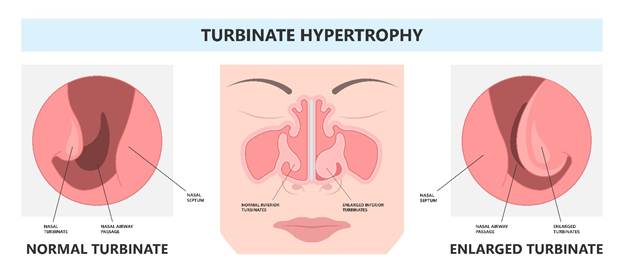
Congestion from allergies, a deviated septum, enlarged turbinates, or chronic inflammation can force the body to rely more on mouth breathing during sleep. Research shows that experimentally induced nasal obstruction increases airway resistance and can contribute to snoring and other sleep-disordered breathing events.
Mouth breathing
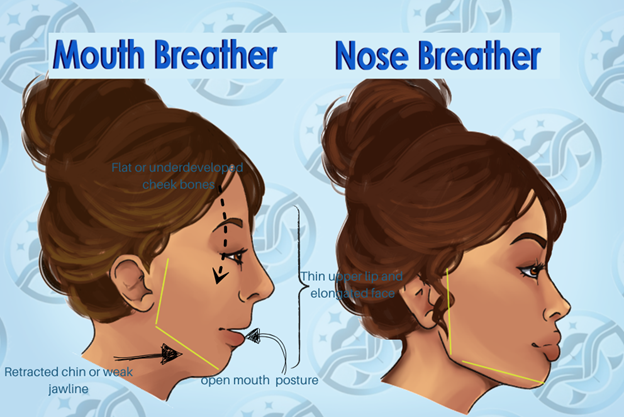
Healthy adults typically breathe through the nose during sleep. Chronic mouth breathing changes airflow dynamics and is associated with snoring and sleep-disordered breathing. Studies have shown that improving nasal breathing can reduce mouth breathing and may improve snoring severity in some individuals.
Excess weight
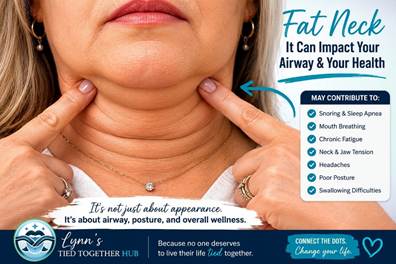
Additional tissue around the neck and upper airway can narrow the breathing passage, making vibration more likely. Weight gain is one of the strongest established risk factors for snoring and obstructive sleep apnea.
Alcohol and sedatives
These substances relax the muscles of the throat, increasing the chance that the airway will partially collapse during sleep.

Sleep position
Sleeping on the back allows gravity to pull the tongue and soft tissues backward, narrowing the airway.
Aging
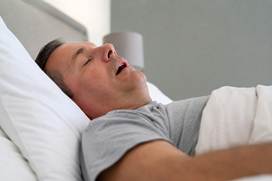
As we age, airway tissues and muscles can lose tone. This is one reason snoring becomes more common in middle age and beyond.

When Snoring Persists Despite All the Usual Tricks
Many adults arrive at my practice after trying:
- Nasal strips
- Special pillows
- Mouth tape
- CPAP alternatives
- Weight-loss efforts
- Sleep position changes
These tools can help some people, but persistent snoring often points to a deeper functional issue involving airway posture, tongue function, and breathing patterns.
This is where I encourage people to consider the role of the tongue, lips, jaw, and surrounding fascial system.
The Overlooked Role of Tongue and Lip Ties For Reasons For Snoring
A restricted lingual frenulum (tongue tie) or labial frenulum (lip tie) does not automatically cause snoring, but it can contribute to the conditions that make snoring more likely.
Research has identified associations between a shortened lingual frenulum, oral breathing patterns, altered oral cavity development, and increased upper-airway collapsibility.
Clinically, adults with restricted tongue mobility often demonstrate:
- Low tongue resting posture
- Difficulty maintaining the tongue against the palate
- Compensatory mouth breathing
- Jaw tension or clenching
- Neck and shoulder strain
- Fatigue during speaking or swallowing
These compensations can affect airway stability during sleep. The tongue is not just a speech organ; it is also a major postural structure within the mouth. When it rests low instead of being broadly supported against the palate, the upper airway may have less structural support.
For readers who are new to the tongue-tie topic, I’ve written more extensively about adult tongue-tie symptoms and oral function on Lynn’s Tied Together Hub.
Fascia, Jaw Tension, and Neck Strain As Reasons For Snoring
Another piece that often gets missed is fascial tension.
The tongue connects into a larger myofascial network involving the floor of the mouth, jaw, neck, and upper chest. When people compensate for restricted tongue movement, they may recruit surrounding muscles excessively. Over time, this can contribute to:
- Jaw tightness
- TMJ discomfort
- Forward head posture
- Neck pain
- Shoulder tension
- Facial fatigue
Many adults report that their snoring is accompanied by morning jaw soreness, neck stiffness, or headaches. While these symptoms do not prove a tongue tie is present, they can indicate a broader pattern of airway and muscular compensation that deserves evaluation.
A practical framework
Ask not only “Why do I snore?” but also:
- Am I breathing through my nose or my mouth during sleep?
- Where does my tongue rest during the day?
- Do I wake with jaw or neck tension?
- Have I tried symptom hacks without addressing function?
Reasons for Snoring in Females
Women often present differently than men when it comes to snoring and sleep-disordered breathing.
Common contributors include:
Hormonal changes
Estrogen and progesterone appear to have protective effects on airway function. Research shows that lower levels of these hormones are associated with increased snoring and sleep apnea symptoms in women. Snoring often increases during the peri-menopausal and postmenopausal years.
Pregnancy
Pregnancy creates significant hormonal and physical changes that can increase upper-airway congestion, alter breathing patterns, and contribute to snoring. Reviews of women’s sleep-disordered breathing consistently note that pregnancy-related hormonal fluctuations can increase the risk of sleep disruption and breathing disturbances.
Weight changes
Weight gain during midlife or pregnancy can narrow the airway and increase snoring risk.
Under-recognized symptoms
Women may be less likely to report classic snoring and more likely to present with fatigue, insomnia, headaches, anxiety, or daytime exhaustion. This can delay recognition of underlying sleep-disordered breathing.
Why some women still snore after trying common fixes
In my practice, many women have already tried weight loss, nasal strips, or sleep-position changes. If snoring persists, I encourage a broader functional evaluation that includes tongue posture, oral habits, airway structure, and breathing patterns rather than focusing on the sound alone.
Reasons for Snoring in Males
Men generally have a higher prevalence of snoring and obstructive sleep apnea than premenopausal women. Several factors contribute:
Upper-airway anatomy
Men tend to have differences in airway size and tissue distribution that can increase airway collapsibility.
Neck circumference and weight
Larger neck circumference is strongly associated with snoring and sleep apnea risk.
Alcohol use
Evening alcohol intake can significantly increase snoring by relaxing airway muscles.
Mouth breathing and low tongue posture
Many men who snore chronically also demonstrate habitual mouth breathing, jaw tension, or low tongue posture, all of which can affect airway mechanics during sleep.
Why Is There a Difference for Men and Women?
The difference is not simply behavioral. Biology plays a major role.
Before menopause, women generally have lower rates of obstructive sleep apnea and severe snoring than men. After menopause, that gap narrows substantially. Researchers believe that estrogen and progesterone help support airway muscle function and respiratory control. As hormone levels decline, the airway may become more collapsible.
This helps explain why many women notice worsening snoring during peri-menopause, menopause, or after menopause, even if they have not changed their lifestyle dramatically.
When Snoring May Signal Something More Serious
Not all snoring is benign. Consider a medical evaluation if snoring is accompanied by:
- Pauses in breathing
- Gasping or choking during sleep
- Excessive daytime sleepiness
- Morning headaches
- High blood pressure
- Difficulty concentrating
- Frequent nighttime awakenings
Snoring can be a symptom of Obstructive Sleep Apnea, which affects millions of adults and deserves proper medical assessment.
When To Seek Evaluation For Your Reasons For Snoring
If you snore loudly most nights, wake unrefreshed, or have witnessed pauses in breathing, it is worth discussing a sleep evaluation with your healthcare provider.
What I Tell Patients Who Feel Stuck
If you’ve tried every snoring hack and nothing has worked, don’t assume you’re failing. You may simply be addressing symptoms rather than the underlying function.
Ask questions such as:
- Am I breathing through my nose or my mouth during sleep?
- Where does my tongue rest during the day?
- Do I wake with jaw or neck tension?
- Have I ever been evaluated for restricted tongue mobility?
- Could my airway mechanics be contributing to the problem?
For some adults, the missing piece is not another gadget—it is understanding how the tongue, lips, jaw, neck, breathing pattern, and airway work together.
That is the focus of the educational resources on Lynn’s Tied Together Hub. You may also find my ebook, Untangling the Ties: A Guide to Adult Tongue Tie and Tethered Oral Tissues, helpful if you want a deeper understanding of how oral restrictions, breathing patterns, and compensatory tension can affect sleep, comfort, and daily function.
Myofunctional Therapy To Address Reasons For Snoring
Tongue and lip ties directly affect the muscles of the face and how they balance and harmonize together. When a structure as integral as the tongue is compromised in its range of motion and strength, then other structures, such as the jaw, compensate.
Over time, these compensations begin to wear down, and seemingly new unrelated issues arrive, such as snoring. This is where a strong therapy approach helps to reorganize the oral-facial system.
Not just the tongue, but all the muscles and supporting structures of the jaw and neck. Often, this involves a team approach, with referrals to PT and chiropractic professionals with backgrounds in myofascial and craniosacral techniques.
Myofunctional therapy is taking a deeper step, answering the question of why you are mouth-breathing or why your tongue does not rest on your palate. Mouth tape and other gadgets never answer the why questions. They simply help to address one red flag.
Exercise is often taught as a way to help keep an aging body healthy. But no one ever discusses exercises for the oral-facial muscles. Aging does not have to rob these muscles of their tone and range of motion; myofunctional exercises can help restore the strength needed for breathing, eating, and talking.
By diving deeper, myofunctional therapy gets to the root cause and does not allow labels like allergies, age, headaches, or TMJ to be used as diagnoses or as reasons for snoring. Rather, it uses them as signals to follow, pointing the way to the core issue.
Key Takeaway Reasons For Snoring
The goal is not to chase every snore and noisy night. The goal is to understand why the airway is struggling in the first place.
Snoring is often the sound of a compromised airway. Weight, hormones, nasal obstruction, aging, alcohol, sleep position, and sleep-disordered breathing can all contribute.
Mouth breathing and low tongue posture can also change airway mechanics during sleep. But what is actually driving all these “causes.”
Persistent snoring despite multiple fixes is a reason to look beyond the symptom and evaluate breathing patterns, tongue function, and overall airway health.
In a medical world where tongue ties are considered the ugly stepchild of true diagnosis. One often has to dig deep to connect the dots.
That’s why I developed the at-home guide to help you determine for yourself if a tongue tie may be a root cause of your snoring. Check out the guide HERE and take a strong step into your self-advocacy for reasons for snoring.
To find a preferred provider near you, I like the website Tongue Tie Life for its state-by-state list of providers who specialize in tongue-tie and tethered oral tissues. Don’t waste any more time with professionals who aren’t trained in how tongue-ties can affect the airway and cause snoring issues.
Further Reading on Lynn’s Tied Together Hub
I’ve compiled my top six articles on adult tongue-tie and other tethered oral tissues. Knowledge is a powerful tool when you need to advocate for the correct care and next steps.
- Posterior Tongue Tie in Adults
- Tongue Tie Symptoms in Adults
- Tongue Tie vs. Normal Adults: Understanding The Differences
- What Is A Cheek Tie?
- Lip Tie Adult
- Frenectomy: What Adults Need To Know
Important note: This article is educational and should not be considered a diagnosis or individualized medical advice. If you have significant snoring, witnessed breathing pauses, or excessive daytime sleepiness, consult a qualified healthcare provider or sleep specialist for evaluation.
No one deserves to live their life tied together. Dive into the resources on Lynn’s Tied Together Hub and start unraveling the ties.