
The Underrated Powerhouse in Oral Health & Tethered Oral Tissue Care
Welcome to the Tied Together Hub — your go-to space for untangling the complex world of adult tethered oral tissues. If you’ve ever wondered how myofascial release for the face fits into the treatment of tongue ties, lip ties, and all things myofunctional, you’re in for a juicy read. (And no, we’re not talking fruit smoothie juicy — though those are a soft tissue therapy win too.)
This post is all about helping you face the facts (see what I did there?) on how this hands-on, fascia-focused technique can transform not only your jawline, posture, and oral habits — but your entire quality of life. So whether you’re a curious patient, a fellow speech-language pathologist, or a wellness nerd on a mission, let’s dive in.
What Is Myofascial Release for the Face, and Why Should Your Face Care?
Let’s start with the basics. Myofascial release is a hands-on manual therapy technique used to release tension in the fascia. This connective tissue web wraps around every muscle, nerve, bone, and organ in your body. Fascia is like Saran Wrap but smarter and way more high-maintenance.
In the case of myofascial release for the face, we’re targeting the facial restrictions that often go undetected in the cheeks, jaw, neck, and even the tongue — yes, fascia lives there too.
Tethered oral tissues (TOTs) like tongue ties, lip ties, and buccal ties can create years (sometimes decades) of compensatory strain in the surrounding facial muscles. Myofascial release offers a gentle, targeted way to unravel those restrictions and restore natural movement.
Why the Face? Because It’s Holding a Lot More Than Smiles
Your face is not just a pretty mask. It’s a complex muscular landscape that plays host to:
- 43 muscles, all layered with fascia
- Multiple cranial nerves (think: facial expression, chewing, speech, swallowing)
- Temporomandibular joints (TMJ) that connect your jaw to your skull
- And, if you’ve had a lifetime of tethered oral tissue compensation — a whole lot of tension
Clients with undiagnosed or untreated tongue ties often show signs of facial tightness, jaw clenching, or chronic headaches. That’s not random.
The facial fascia is often locked down from years of overcompensation for restricted oral mobility.
Myofascial release for the face helps unwind that tension — literally. It restores glide, gives your nerves room to fire properly, and makes your muscles say, “Oh, thank goodness.”
Fascia and Tethered Oral Tissues: The Deep Connection
The fascia in the floor of the mouth connects to the fascia in the neck, the chest, and even the shoulders.
In my practice as a speech-language pathologist, I’ve seen firsthand how a restrictive lingual frenulum (tongue tie) can pull tension all the way into the sternocleidomastoid muscle or cause a forward head posture that wreaks havoc on breathing and alignment.
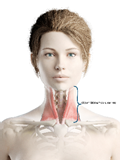
That’s why myofascial release for the face is a critical tool in the pre-and post-op therapy plan for anyone undergoing tongue tie-release surgery.
Here’s how it fits into the big picture:
- Before release: MFR prepares the tissues, reduces inflammation, and makes the surgical release more effective. The myofascial release can be targeted at the frenulum site/area. When the tension is reduced, the frenulum is more easily accessed for surgical release, allowing for a complete release of the restrictive tissue.
- After a release: It helps manage scar tissue, reintegrate normal movement patterns, and prevent reattachment. Reducing the tension in the surrounding wound areas can help relieve pain and improve healing.
- Throughout therapy, MFR supports muscle re-education and neuromuscular coordination, which are essential for lasting change. It is the base of support for all active exercises incorporated into a myofunctional therapy plan.
What Happens During a Facial Myofascial Release Session?
Expect to leave your makeup bag at home because we’re going in hands-first. A bare face may be best for this work during the releases to reduce smudging and smearing.
A session may include:
- Gentle skin-gliding or traction techniques to assess restrictions
- Targeted work on the masseter, temporalis, buccinator, orbicularis oris, and even the platysma.
- Intraoral release (with gloves!) targeting the pterygoids or inside cheek tissues.
- Floor of the mouth(sublingual) under the tongue directly alongside the frenulum and into the surrounding soft tissue.
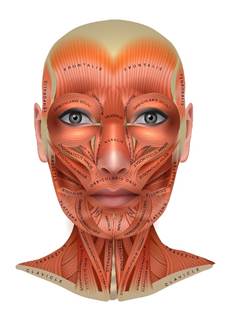
The goal isn’t to “dig in” or force a release. We’re not rolling out sourdough here. Facial myofascial release is subtle but powerful — often creating a ripple effect of relief throughout the head and neck.
Those familiar with myofascial for the larger muscles of the body, legs, glutes, or lower back, may use a more profound, firmer pressure applied. However, the facial muscles are smaller and need less force.
The release may still generate some pain in restrictive tissue, but the amount of pressure applied can be lightened, and the work to release that area can be accomplished with lighter, more sustained pressure.
Some clients feel emotional shifts during treatment. That’s not uncommon. Fascia has memory, and facial holding patterns are often tied (no pun intended) to long-standing habits, traumas, or developmental compensations.
Signs You Might Need Myofascial Release for the Face
You don’t need to be in excruciating pain to benefit from MFR. In fact, some of the signs are sneakier than you’d expect:
- Chronic jaw tension or teeth grinding (bruxism)
- Frequent headaches or migraines
- Clicking, popping, or tightness in the TMJ
- Difficulty with certain speech sounds or oral motor tasks
- A sense of “tightness” or strain when smiling or chewing
- Mouth breathing and poor lip closure
- A history of orthodontic relapses or tension post-braces
- Deep creases or asymmetry in facial posture
If you’ve had a frenectomy without bodywork — and things didn’t quite “stick” — your fascia may be crying out for attention.
A Day in the Life: Myofascial Release for the Face in Myofunctional Therapy
I often incorporate myofascial release for the face into my therapy sessions with adults navigating TOTs. It’s not just about exercises (though we love a good tongue pop and suction hold). It’s about balancing the soft tissue system so the muscles can move freely, naturally, and without resistance.
For example:
- A client with a tongue tie might be doing all the right stretches but still struggles with tongue tip elevation.
- When we add facial MFR targeting the jaw and floor of mouth fascia, suddenly the tongue gains new range.
- The same client reports fewer headaches, more restful sleep, and even better articulation.
It’s like hitting the reset button — except this button is made of fascia and muscles that have been waiting for release since the baby teeth came in.
Myofascial Release for the Face at Home: What You Can Do
Professional MFR is gold, but don’t underestimate what you can do between sessions. A good home program is essential for progress. Knowing how your own muscles feel under your fingers provides confidence and lessens the fear of going into surgical releases.
Pain levels are often judged to be less when applying the techniques to oneself rather than having them done to you. You are in charge! Your release site and your finger provide the input simultaneously, so you can judge how much pressure and how long to hold the release!
While this is considered an advanced training technique for most therapists, instruction on home carryover with video tutorials is a common practice to provide to patients.
Each person will respond differently and have different areas that deserve more attention.
As you work with your therapist to determine your priority areas, they will be assigned to you for a home program.
This may change week to week, or one area may benefit from continuing release for several weeks. Every oral tie is like a snowflake, and its symptoms, tensions, and pain are unique to the person. But as each week unfolds, it’s as though you are peeling away the layers of an onion and finding deeper and deeper releases.
Consistency is key with any exercise program, and the same holds true for myofascial release for the face.
Make it a self-care ritual. Add calming music, breathe through your nose, and drink water afterward to help flush out any facial toxins that have been released.
Fascia, Breath, and the Nervous System: The Triad of Transformation
Here’s where it gets really cool. Releasing facial fascia doesn’t just help your jaw or improve your “smile aesthetic.”
It also taps into your parasympathetic nervous system — your rest-and-digest superpower.
Every time you loosen tension in the face, especially near the vagus nerve and cranial base, you signal to your body that it’s safe. You can down-regulate stress, breathe better, and heal.
These effects are often reported by adults even before the surgical release of the frenulum.
Noticeable reduction in stress/anxiety feelings is reported after surgical releases and maintained with myofascial release.
That’s why myofascial release for the face isn’t just an add-on. It’s a foundation for total wellness, especially for those of us dealing with the chronic compensation of tethered oral tissues.
Integrating Myofascial Release for the Face with Other Therapies
This isn’t an either/or situation. Facial myofascial release shines brightest when combined with:
- Myofunctional therapy to retrain muscle patterns – considered active exercises that target how the muscles need to move for functional activities such as chewing, swallowing, breathing, and speaking. Also, with a focus on rest posture, with the tongue in the palate and lips closed to maximize nasal breathing.
- Bodywork—Pair craniosacral therapy, chiropractic, physical therapy, or massage for whole-body alignment. As shifts occur in the mouth and face, the body will adjust. Pairing whole-body interventions with myofascial release for the face can ensure good outcomes.
- Frenectomy procedure by a skilled provider when TOTs impact function is crucial. If the band of tissue is not released surgically, then once exercise routines are stopped the tension will slowly creep back in. To attain relief and wellness that doesn’t depend on constant stretching and releasing, the bands of the restrictive frenulum need to be surgically released.
- Breathing re-education, including nasal hygiene and diaphragmatic training, can be necessary as fascia tension can hijack the diaphragm, increasing clavicular breathing. Focusing on diaphragmatic and nasal breathing can improve sleep, reduce daytime drowsiness, and maximize oxygen intake for cells.
- Speech therapy, especially for adults struggling with articulation, resonance, speaking fatigue, slushiness/slurring, or vocal strain. A speech therapist can also address chewing and swallowing difficulties developed from compensation.
Collaboration Myofascial Release for the Face
The collaboration is powerful. And yes, your dentist, ENT, and pelvic floor therapist will be impressed when you casually drop the phrase “posterior tongue-tie with compensatory facial strain.”
However, not all doctors and therapists will be believers. There is controversy in the fields over oral ties being a fad or an actual underlying cause of your functional issues.
All consults should be with preferred providers, this is highly recommended. We like the Tongue Tie Life website for its comprehensive list of preferred providers knowledgeable in tongue-tie and other tethered oral tissues.
The Bottom Line: Don’t Forget the Face
We spend so much time focusing on our health and bodies to look and feel good. In our wellness routines, we also need to include the tongue, the mouth, the airway, and the alignment with our bodies. Because fascia doesn’t operate in silos, it’s all connected.
So, if you’re dealing with oral restrictions, jaw tension, or a general sense that your face feels “stuck,” don’t overlook the healing potential of myofascial release for the face. It’s gentle. It’s effective. And it might just be the missing piece in your TOTs puzzle.
If you’ve had a surgical release, and the results were not as big as you imagined, consider adding in myofascial release for the face to get to the root of the healing.
Want to Learn More?
At www.lynnstiedtogetherhub.com, we’re passionate about empowering adults with tethered oral tissues to find relief, restore function, and live untethered. Be sure to check out our other posts on:
Tongue and Lip Tie Release: A Comprehensive Guide
Myofunctional Treatment for Adults: Breaking Free from Tongue, Lip, and Cheek Ties
And if you’re ready to explore one-on-one therapy, group webinars, or virtual assessments — get in touch! Your fascia will thank you.